

Tulsa Mayor Monroe Nichols said Friday the city will immediately close its municipal jail.
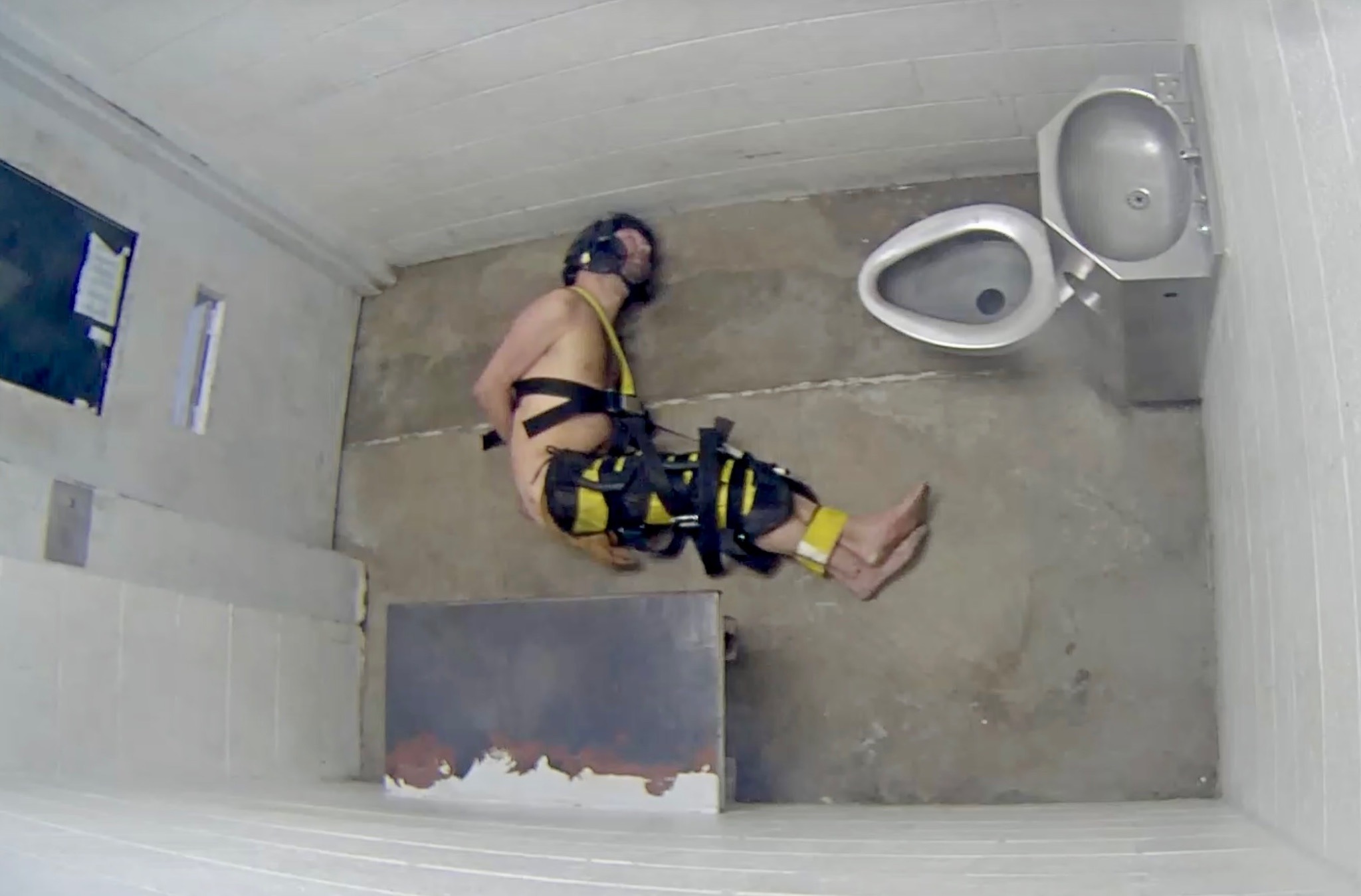
The announcement comes one day after The Frontier published a story and video showing the final hours of Justin Benner, who died at the jail in September 2025 after detention officers placed him in a full-body restraint device and left him alone in a cell.
“Over the last 24 hours, I know many Tulsans have had questions about our municipal lockup and the way our detention system operates,” Nichols said in a statement. “Those are important questions, and regardless of any one circumstance, it is my responsibility to ensure our public safety system meets the high standards our community expects.”
Nichols said he has directed the Tulsa Police Department to immediately begin the process of closing the city jail and transitioning detainees to Tulsa County’s David L. Moss Criminal Justice Center. The city will work to transfer most detainees by July 31. Unlike the city jail, the Tulsa County jail has on-site medical and mental health staff and was already housing some city detainees under an overflow agreement.
Support The Frontier
Help fund investigations like this one
The Frontier is a nonprofit newsroom. Your donation pays reporters to investigate powerful institutions across Oklahoma.
Become a donorNichols has instructed Tulsa Public Safety Commissioner Laurel Roberts to evaluate the city’s policies and procedures for detention and transport of arrestees to “ensure they continue to provide clear guidance, reinforce accountability, and reflect the professionalism that Tulsans expect from their public safety system.”
The mayor also announced he will seek to expedite all outstanding open records requests related to the jail. The city has previously refused to release records to The Frontier related to deaths at the facility. The records obtained in Benner’s case marked the first time the news organization gained access to surveillance video and other internal jail records documenting one of those deaths.
“I remain committed to making Tulsa the safest big city in the country, and that starts by ensuring our public safety system meets the high standards that Tulsans deserve,” Nichols said.
Two Tulsa city councilors, Laura Bellis and Lori Decter Wright, expressed outrage at the jail’s treatment of Benner and called for the jail to be closed after The Frontier published its story about the death on Thursday.
“In light of the truly horrific footage released today by The Frontier, reports of deaths, lack of adequate onsite medical care, my moral compass compels me to demand that the municipal jail be shut down,” Bellis wrote in a statement.
A Frontier investigation in March found at least seven people have died from preventable causes in the 70-bed city lockup in the past three years. The reporting also found employees repeatedly warned officials about unsafe conditions.
Tulsa housed municipal arrestees at the county jail until 2018, when a dispute over detention costs prompted the city to open its own lockup downtown.
Tulsa had already prepared to vacate the downtown building that houses its municipal jail in 2028 and city leaders had been weighing whether to construct a new jail or once again pay Tulsa County to house municipal detainees. In April, Nichols reportedly proposed setting aside more than $10 million to build a new 140-bed city jail.
Following Friday’s announcement, Bellis and Wright praised the decision to close the facility but said broader reforms are still needed.
“Closing the municipal jail is a step in the right direction, but the public deserves answers as to how the City of Tulsa will shift the culture that has led to these repeated incidents that have not only cost lives but have eroded trust in a system that we all rely upon to keep us safe and secure,” said Wright.
Bellis called the closure “the right thing to do for the people in our care.”
“No arrest merits death. On-site medical and mental healthcare is imperative, and the county jail offers those resources. I still need to know what accountability is taking place for what our city has witnessed in the devastating footage of a man in a mental health crisis dying in the municipal jail. We must continue to pursue increased mental healthcare and intervention. Law enforcement and incarceration is not the remedy for someone in mental health crisis,” she said. “I’m committed to ensuring this never happens again.”


Garrett Yalch was hired in 2024, joining The Frontier’s Tulsa newsroom. He covers corporate and government accountability issues, with a focus on the Tulsa area. He can be reached at Garrett@readfrontier.com